Old House Plumbing in Bardon
Timber Queenslanders raised on stumps dominate old house plumbing in Bardon, with interwar stock on the ridgelines and postwar weatherboard filling in behind. Every job is done by a licensed plumber, and our Bardon home page sets out the full range of work we take on houses like these.
If we're late, $100 comes off your bill

- Licensed and InsuredEvery job done by a licensed plumber. QBCC No: 15024607
- Fixed Quote FirstFlat-rate pricing, agreed before any work starts
- Lifetime Labour WarrantyBacked by our Fix-It-or-It's-Free guarantee (T&Cs apply)
- $0 Call-Out FeesNo extra charge for nights, weekends or public holidays
Signs of Trouble in Old Pipework You Can See
Under a raised house here, the water, waste and gas pipework hangs through the open space beneath the boards, in torch reach. A slab home buries its pipes in or under the slab and inside the walls.
So the underfloor space gives you a free inspection most suburbs never get. Look for:
- wet or soft soil in a patch under a pipe run
- drips or weeping at the joints and fittings
- rust staining along the pipes and on the fittings
- damp or stained timber, and a musty smell under the boards
The Plumbing and Drainage Act also asks you as the owner to keep the plumbing and drainage at your premises in good condition and working properly. A regular look underneath is the easiest way to meet it.
What the Age of Your Water Pipes Means
Galvanised steel pipe is steel with a zinc coating, and once the zinc wears away the steel rusts from within.
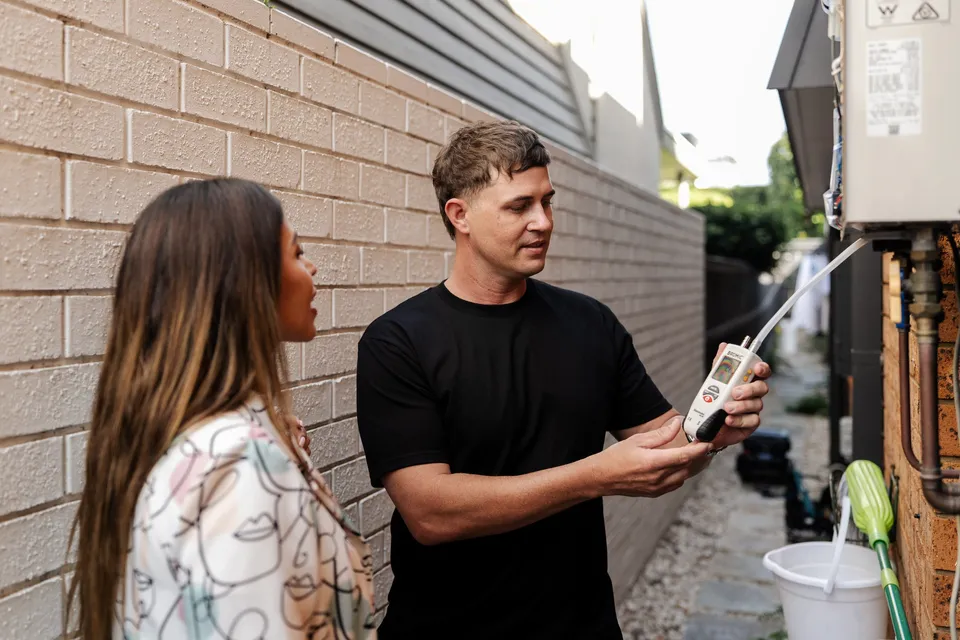
The rust shows as discoloured water, weak flow at several taps, and leaks that return along the same run. Scale builds inside the bore long before a pipe finally leaks, so the taps furthest from the meter go weak first.
One date worth knowing: lead-based solder on brass fittings and copper pipes was common across Australia up until 1989. In a home plumbed before then, the age and condition of the water service pipes deserve a thought.
Fixing a broken length is minor work: a licensee does it, with no permit and no Form 4. Swapping the supply piping from the meter to the house is notifiable work, and our repiping page covers that job end to end.
What Raised Floors Mean for Your Pipes
Access is the local angle on this old-house work, and it cuts both ways. A raised floor puts the pipes where you can reach them, but the same floor hides the water when something lets go. Rust can eat through a threaded joint on an old galvanised run, and the water pours into the void beneath the boards where nobody checks.
The blocks here also fall away steeply from the ridge, so a low-side connection can sit well below street level and give water a long way to run. If nothing is running but the meter dial still moves, our leak detection page explains the test.
Which Renovations Count as Notifiable Work
Most renovation plumbing in an older home is notifiable work: a licensed plumber does it without a council permit or compulsory inspections, then lodges a Form 4 with the QBCC.
An existing building, under the Regulation, is one with both drainage and a water supply. That describes nearly every house in this suburb. Here is where the categories fall:
- Kitchen and bathroom renovations, plus new or relocated fixtures such as toilets, showers and sinks, all count. The Form 4 goes in within 10 business days of finishing.
- Every new or replacement water heater needs a temperature control device, capping the water at the taps at 50 degrees Celsius. Installing, replacing or removing that device is notifiable work.
- A new fixture mainly for personal hygiene also calls for the device. A tap washer or shower head swap does not.
- Where a building sits on a shared combined drain, or has two separate water supplies plumbed in, adding an appliance becomes permit work: the plumber applies to the local government first.
Two cautions before you open walls. Most houses built before 1990 contain some asbestos, so renovating one needs extra precautions and can cost more.
And a plumbing permit stays with the premises it relates to, binding the owner, any later owner and any occupier.
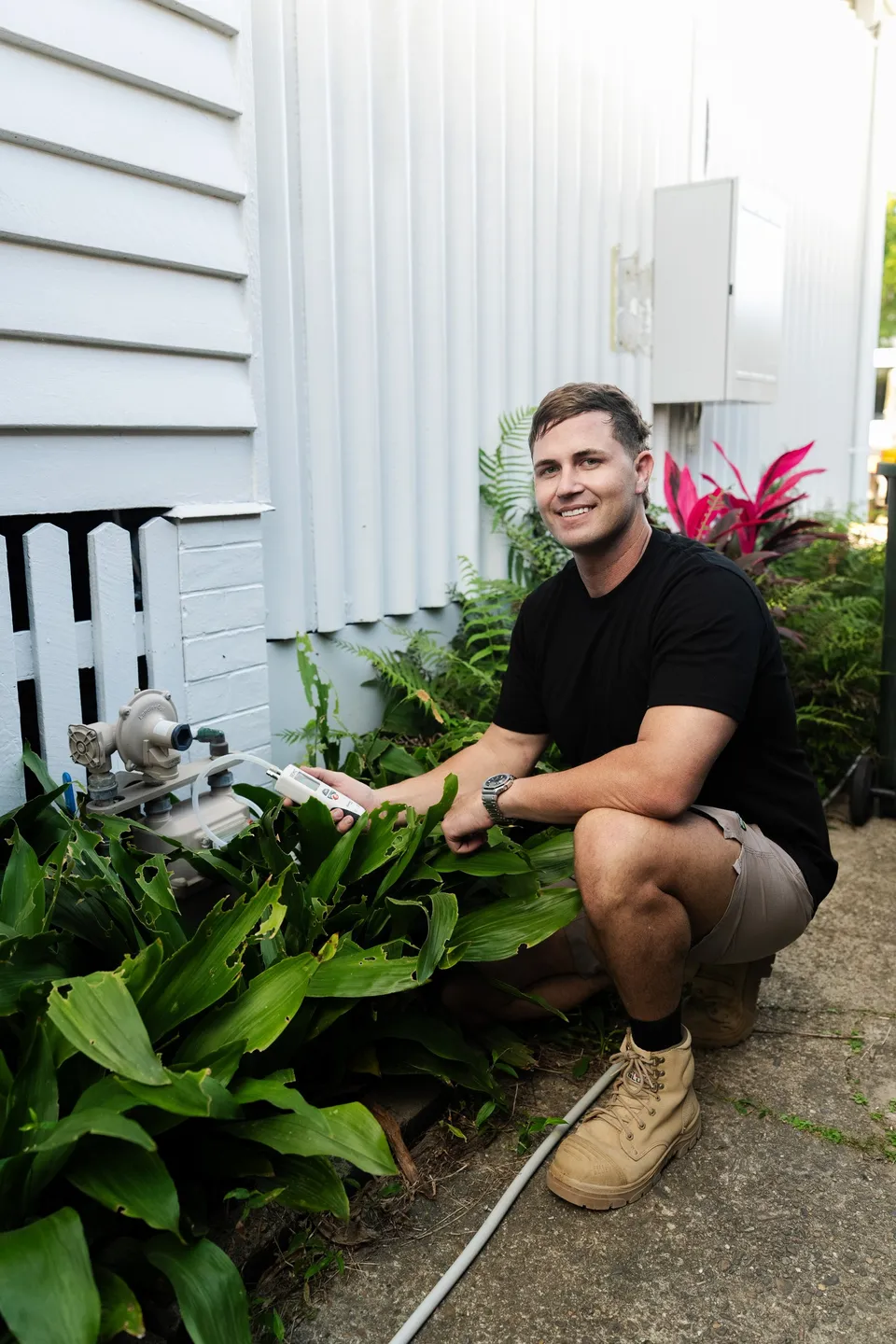
Old Gas Fittings and Who May Touch Them
Gas work in Queensland belongs to one kind of tradesperson: a licensed gasfitter, who may install, alter, repair, service or test gas pipework and connections. The Queensland Government advises owners to check fittings regularly for corrosion, deterioration or damage, and to keep combustible materials clear of appliances.
A gas worker who spots a safety concern on a job must hand the owner a defect notice, unless the concern is fixed on the spot. That notice is your record of what the old system needs.
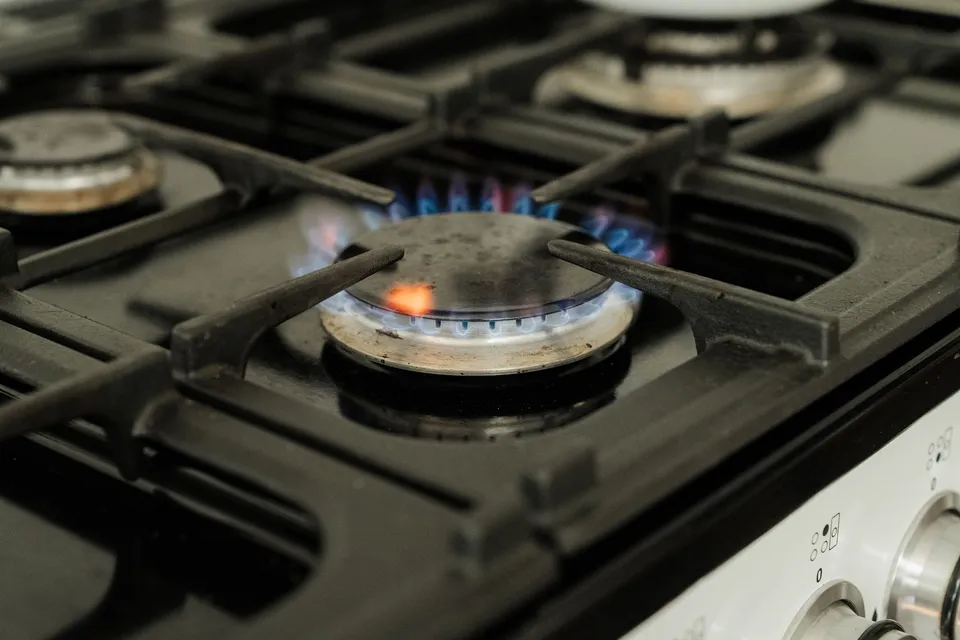
If you smell gas: turn the appliance off, open doors and windows, and keep away from electrical switches. Shut the supply at the meter or cylinder if the smell stays, and call 000 if it persists. Never go hunting for a gas leak yourself. Our gas leak repairs page covers what happens next.
How an Old-House Job Runs
- 1

Tell us what's happening
Call (07) 3524 7163 or send the form with a few details about the problem in Bardon. A clear description helps us bring the right parts.
- 2

We get under the boards and read the run
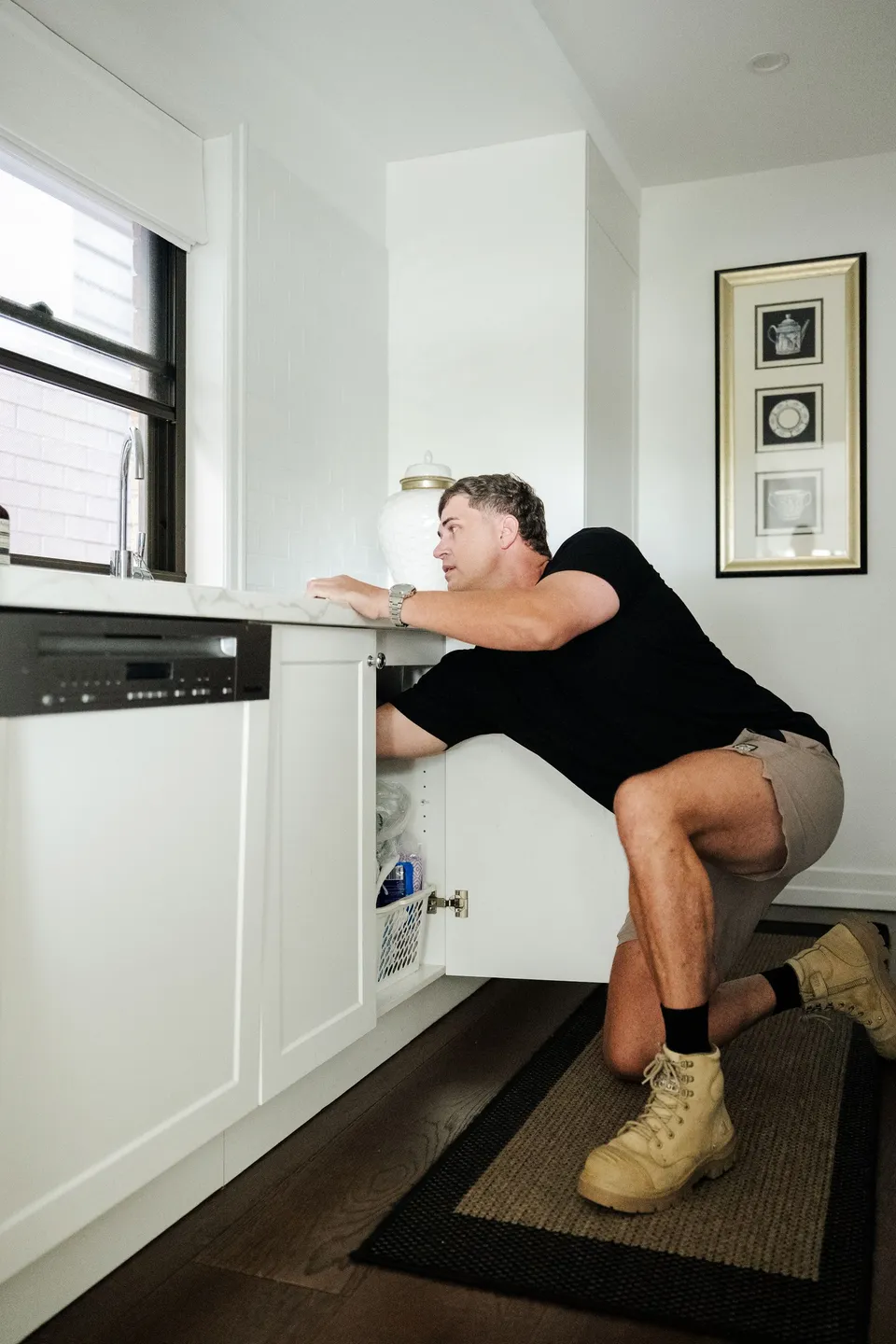
Your plumber goes down among the stumps, checks the pipe material and the joints, traces the fault along the run, and reads the scale and rust that tell an old supply line's story.
- 3
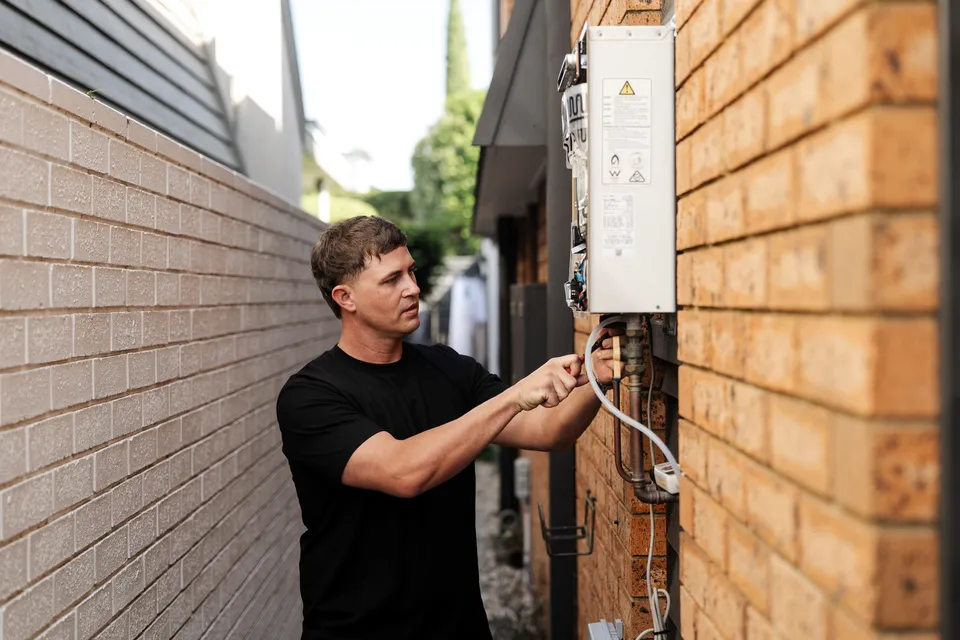
Approve a fixed price
You get a fixed quote before any work starts, with flat-rate pricing and no hidden fees. Nothing goes ahead until you say yes.
- 4

Pay when it's finished
Pay by card or EFTPOS on site once the job's done, or ask about Fix now, pay later.
Plumbing job in Bardon?
$0 call-out fees, available 24/7, and same-day where we can.
Older Home Questions Owners Ask
Call (07) 3524 7163Where do the pipes run in a timber house on stumps?
Mostly beneath the floorboards. A raised home carries its supply, waste and gas pipework through the open space under the floor, in plain view from below, while a slab house hides its pipework in or under the slab and inside the wall cavities.
How do I check the plumbing in an old house?
Start with what shows without pulling anything apart: damp patches, wet soil, stains on timber, rust on pipes and fittings, rusty water, weak flow and drips under the boards. A licensed plumber covers the rest, and the no-use meter test on our leak detection page catches what the eye misses.
Are there galvanised water pipes in Bardon homes?
Yes, some. Timber houses here that went up before copper took over can still run galvanised supply lines beneath the floors. A plumber confirms the pipe material on site, because no look from outside can.
Was lead used in old plumbing?
Yes. Until 1989, lead-based solder was the common way to join brass fittings and copper pipes across Australia, so the age of your water service pipes matters in an older home. A plumber can identify what yours are made from.
Can I find out what plumbing work was done at my house before I bought it?
Yes. An owner can search an address on the QBCC register for notifiable work, and ask the QBCC for a copy of any Form 4 for the property. A permit from earlier work stays with the premises, so it binds whoever owns the place now.

Ring Us About Your Older HomeWe'll call you back.
Ring (07) 3524 7163 and tell us what's wrong. You get $0 call-out fees, a fixed quote before any work starts and same-day where we can, 7 days a week.
To claim your $0 call-out fee, call (07) 3524 7163 today.