Repiping Old Pipes in Bardon
Repiping in Bardon means pulling out worn galvanised or early copper supply pipes and running new copper or cross-linked polyethylene (PEX) pipe in their place. Our Bardon plumbers take these jobs when patching stops paying. Every job is done by a licensed plumber, with a fixed quote before any work starts.
If we're late, $100 comes off your bill

- Licensed and InsuredEvery job done by a licensed plumber. QBCC No: 15024607
- Fixed Quote FirstFlat-rate pricing, agreed before any work starts
- Lifetime Labour WarrantyBacked by our Fix-It-or-It's-Free guarantee (T&Cs apply)
- $0 Call-Out FeesNo extra charge for nights, weekends or public holidays
The housing here leans old. Building approvals across Bardon came to just 129 dwellings over the five years to 2025, so almost every home on our run went up before 1940 or through the postwar decades.
Resident numbers grew about 6.0 per cent between 2020 and 2025, so more people than ever live in that older stock. Plenty of the timber houses on stumps still carry their original steel mains under the floor.
When Patching Stops Making Sense
Repair makes sense while the pipe is sound and the leak is a one-off. Replacement wins when the same line keeps springing leaks, the water fills the glass rust-coloured, or the flow goes weak at several taps at once.
Two old materials sit behind those signs. Galvanised steel corrodes from the inside as its zinc coating wears away, and copper installed before 1989 was often joined with lead-based solder.
Signs the pipe has had it:
- leaks that keep coming back on the same stretch, one repair after another
- rust-coloured or brown water at the taps, which points at corrosion inside the pipe
- weak flow across several taps at once, as scale narrows the bore
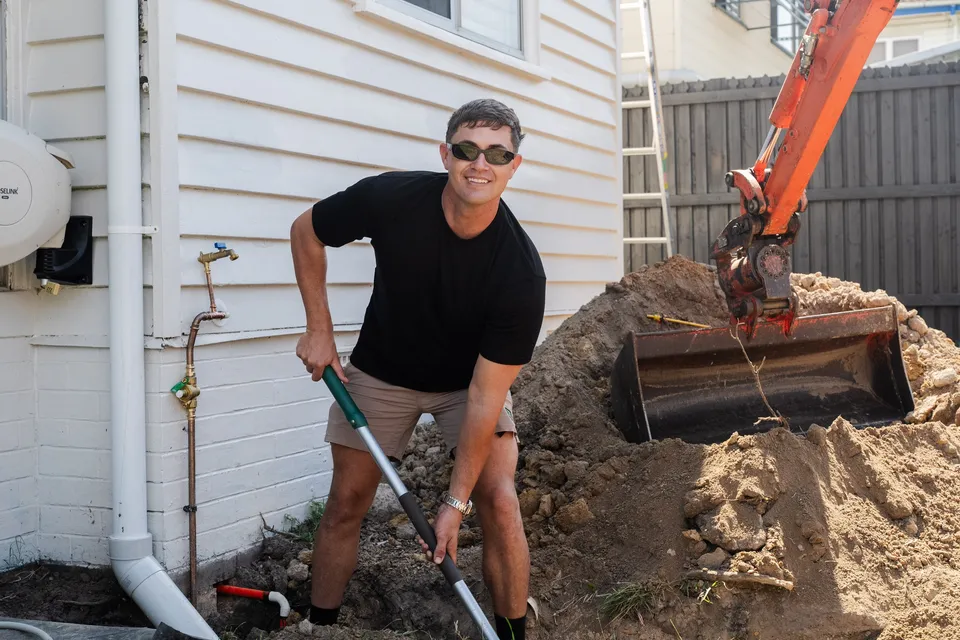
The classic case here is an older timber house on stumps, like the weatherboard places stepping down from the ridge along Simpsons Road. A galvanised main under one of those floors rusts quietly for decades, and the joints give way at the threads first.
Our water pipe repairs work covers the patch-first side of this line. A single split length is a burst pipe job, and a slow weep with no obvious source belongs to our leak detection work.
Copper or PEX for the New Pipework
The usual replacement materials are copper, which is rigid metal, or PEX, a bendable plastic made from cross-linked polyethylene. The plumber picks between them by where each pipe runs.
What guides the choice:
- copper: cut and joined piece by piece, which suits exposed runs and long straight legs
- PEX: flexible, so it curves around framing instead of needing a fitting at every turn
- either way, each product fitted has to sit on the approved list for plumbing under the Act
No material on this page gets a lifespan promise. The age and condition of your old water pipes, not a factory figure, decides when replacement beats another repair.
What Happens During a Whole-House Repipe
- 1

Inspect the Existing Pipes
The plumber checks which lines are worth replacing and which can stay. In a staged job, the worst run goes first.
- 2

Open Access to the Pipe Runs
Access reaches the pipes behind wall linings, under floors or in the subfloor space. Raised timber houses make the underfloor side easier, and the plumber only opens what the run needs.
- 3
Build the New Run Beside the Old
The new pipe takes shape next to the old line, so the house keeps water for most of the job.
- 4

Connect With the Water Off
The supply shuts off while the plumber ties the new run in at the connection point. That point is where the Urban Utilities supply system meets your supply pipe, and everything on the premises side belongs to you as the owner.
- 5

Test for Leaks
Pressure testing checks the new pipework before anything closes up. A weeping joint found now costs a washer, not a ceiling.
Plumbing job in Bardon?
$0 call-out fees, available 24/7, and same-day where we can.
What the Owner Should Receive After a Repipe
Replacing the water supply pipes in an existing building counts as notifiable work. A licensed plumber carries it out, a Form 4 goes to the QBCC inside 10 business days of completion, and the owner receives a copy. No council permit applies, and no inspection is compulsory.
What you hold at the end:
- a copy of the Form 4 for your records
- the QBCC's registration of the work, searchable by address
- the right to ask the QBCC for a Form 4 copy if one never arrived
The council keeps a window as well. If it contacts you within a year of the completion notice, an inspector may view the repipe, with your consent as occupier, and check it complies with the code.
New construction sits outside all this: a dwelling built from scratch needs permit work, which is a different job. For a unit, some renovations need a permit instead, so the plumber confirms the category before starting.
How We Book and Quote a Repipe
- 1
Tell us what's happening
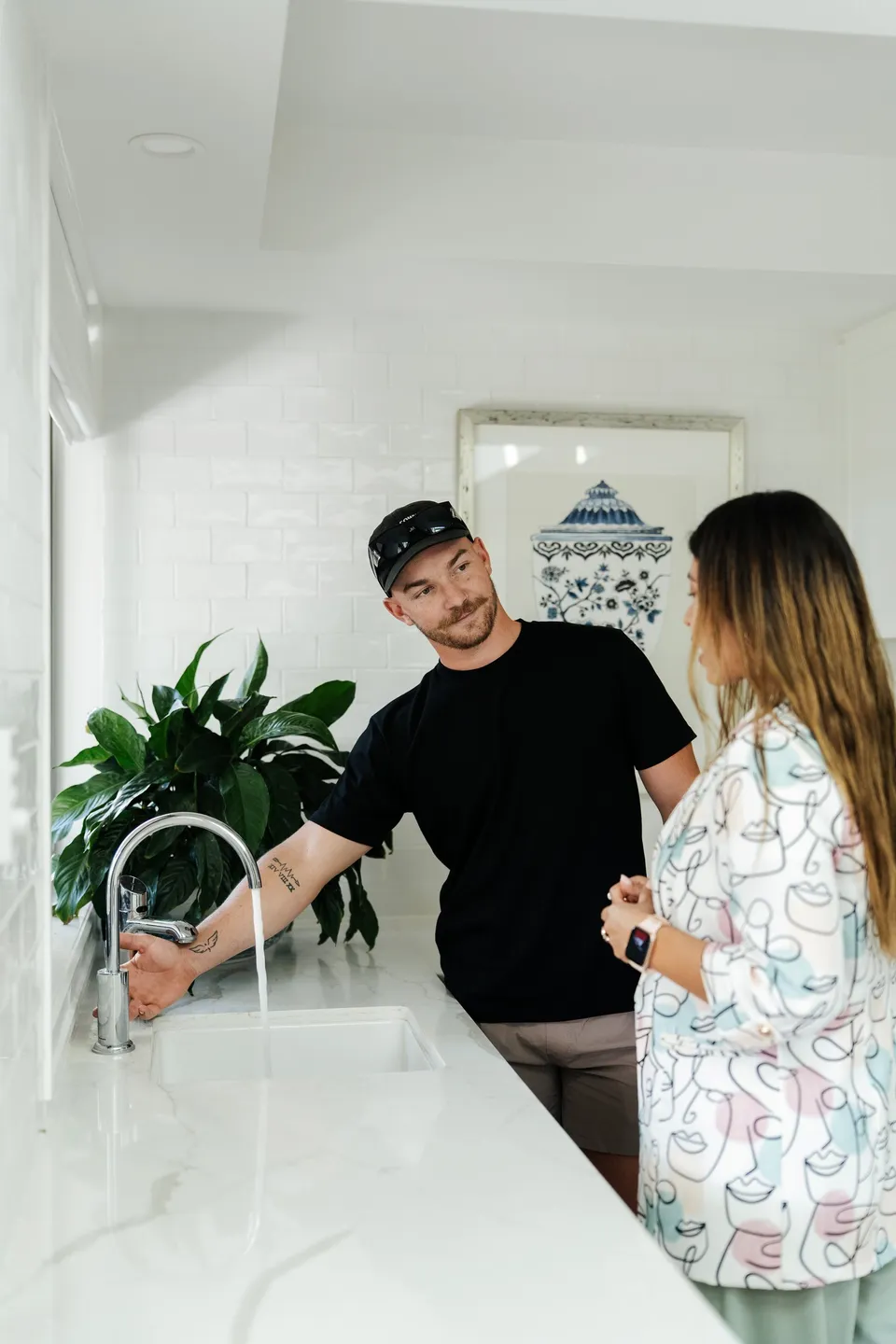
Call (07) 3524 7163 or send the form with a few details about the problem in Bardon. A clear description helps us bring the right parts.
- 2
Trace and Measure
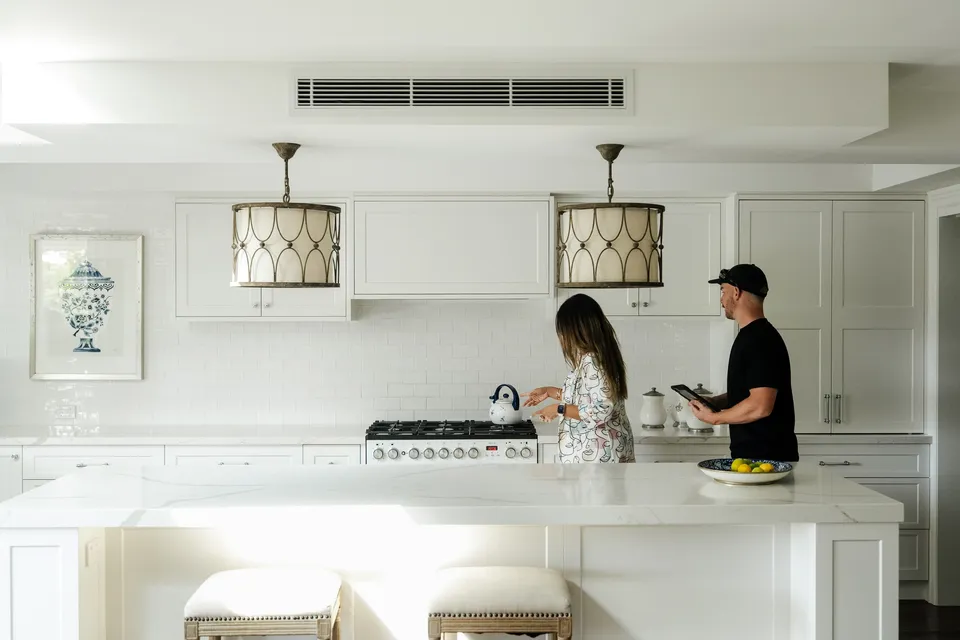
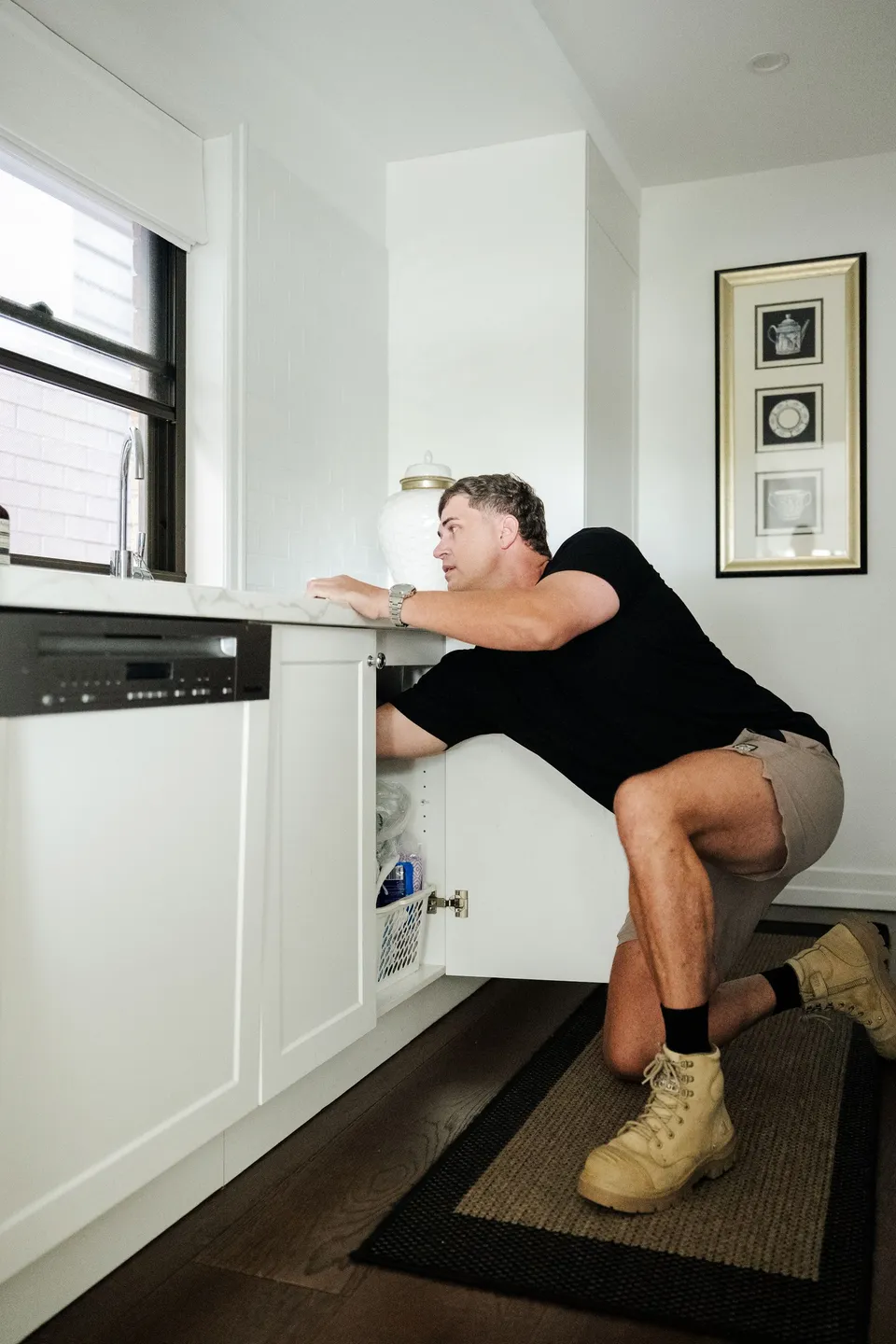
We come out, follow the old supply lines through the walls or under the floor, and measure up the runs and fixtures. You hear which sections need new pipe, copper or PEX, and what stays.
- 3
Approve a fixed price
You get a fixed quote before any work starts, with flat-rate pricing and no hidden fees. Nothing goes ahead until you say yes.
- 4
Pay when it's finished
Pay by card or EFTPOS on site once the job's done, or ask about Fix now, pay later.
Repiping Questions Owners Ask Us
Call (07) 3524 7163What does repiping a Bardon house involve?
A plumber inspects your existing pipes first, then plans the swap for the whole house or in stages. The new line goes in beside the old, the supply shuts off for the final connection, and a pressure test follows. Opening access behind wall linings or under floors is part of the job.
Is repiping worth it for an older Bardon home?
Yes, when the pipe itself is worn out rather than one bad joint. Patching pays while the line still holds and a drip is rare. Once leaks return on the same stretch, or the tap water turns brown, new pipe is the better spend.
Can I replace my own water pipes?
No, you can't. Replacing supply pipes in an existing home is notifiable work, so a licensed plumber does it and a Form 4 goes to the QBCC inside 10 business days. Fixing one broken pipe is minor work, which still needs a licensed person, and the QBCC's unregulated list is short with no pipework on it.
What affects the cost of repiping a house?
Two things move the price: how much pipe the house needs, and how the plumber reaches the runs. Fixture count sets the length to reconnect, and getting behind wall linings or under floors adds time. Your fixed quote settles the figure before work begins.
Will I have water while my house is repiped?
Yes, most of the time. The fresh line goes up alongside the old, so your supply stays on until the plumber ties it in, and it returns for the leak test. No set duration applies to any stage.

Ring Us About a RepipeWe'll call you back.
Ring (07) 3524 7163 and tell us what's wrong. You get $0 call-out fees, a fixed quote before any work starts and same-day where we can, 7 days a week.
To claim your $0 call-out fee, call (07) 3524 7163 today.