Rainwater Tank Installation in Bardon
Rainwater tank installation in Bardon pays off on a foothills block. Long-run averages put the rainfall here at about 1,013 mm a year, and most of it lands between November and March as storm rain off the Mount Coot-tha slopes. A tank connected to the laundry and the toilets puts that water to work instead of sending it down the gullies.
If we're late, $100 comes off your bill

- Licensed and InsuredEvery job done by a licensed plumber. QBCC No: 15024607
- Fixed Quote FirstFlat-rate pricing, agreed before any work starts
- Lifetime Labour WarrantyBacked by our Fix-It-or-It's-Free guarantee (T&Cs apply)
- $0 Call-Out FeesNo extra charge for nights, weekends or public holidays
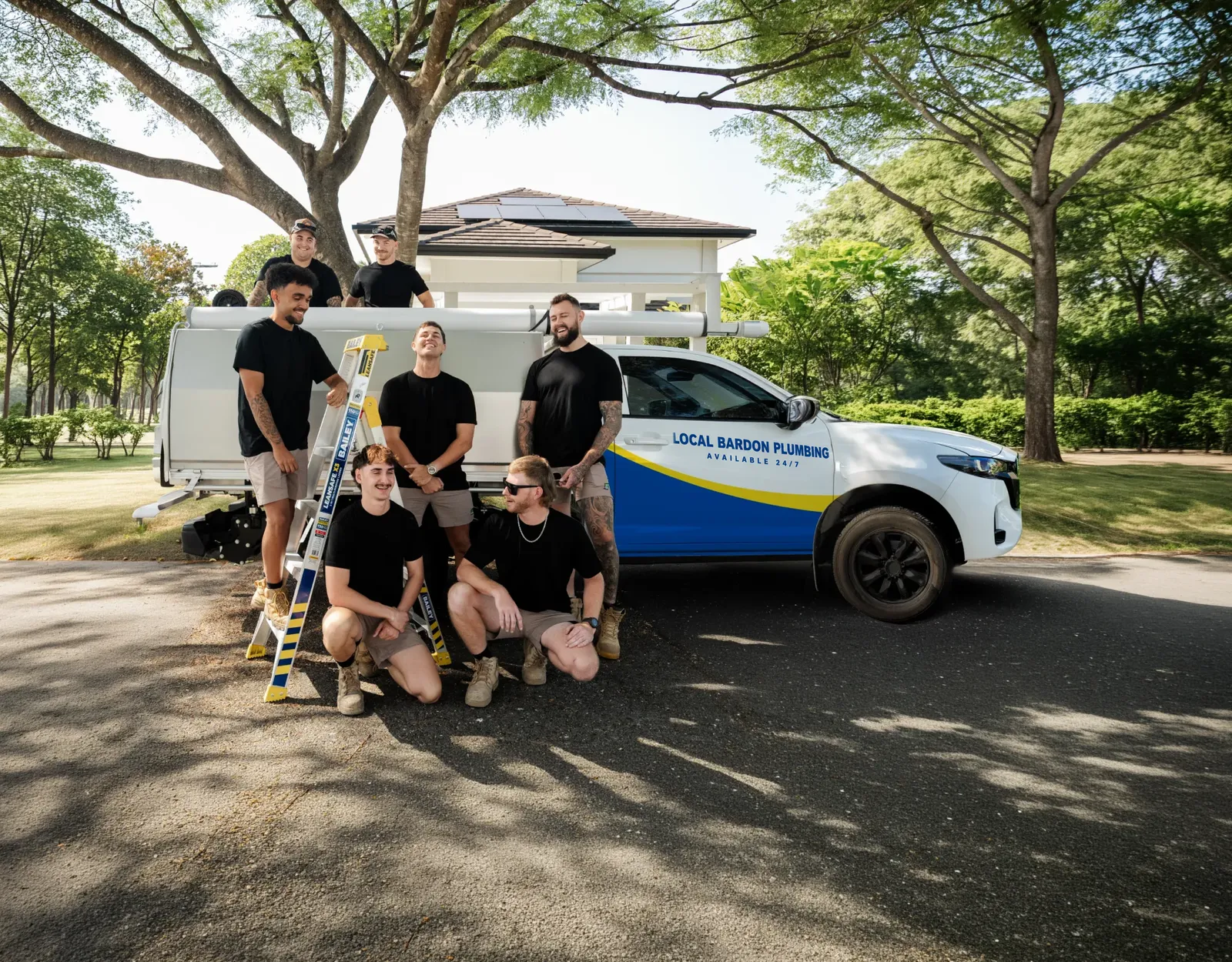
We're the Bardon plumbers who do the connection side: the tank-to-tap pipework, the first flush diverter and the mosquito-proofing, all by a licensed plumber.

How a Tank Is Plumbed Into the House
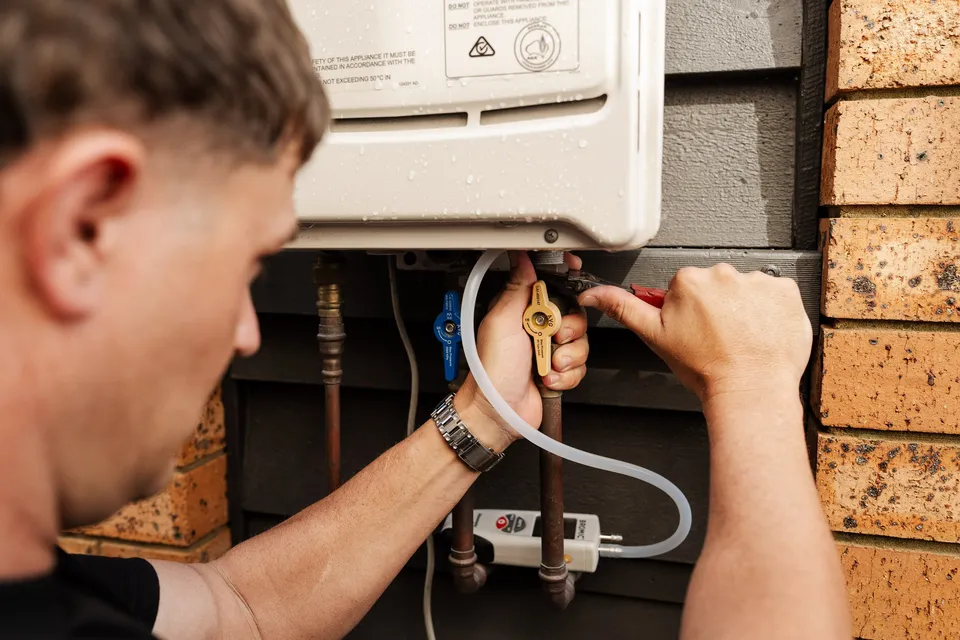
Water runs from the roof through a first flush diverter and a screened inlet into the tank. A plumbed outlet then feeds the toilets, the cold water laundry tap and the garden taps. A licensed plumber does that connection, because a tank hooked into the house plumbing is regulated plumbing work.
Here's what the connection involves:
- a first flush device on the inlet, so the first wash off the roof carries its debris past the tank instead of into it
- mosquito-proof screens on every opening, overflow pipes included
- a supply line from the tank outlet to the cisterns, the laundry and the garden
- isolation valves, so the tank can be shut off and the fixtures still run on town supply
An owner can't install that alone. Once tank water feeds a toilet or a cold washing machine tap, the job needs a licensed plumber. The work also has to meet the Queensland Development Code's rainwater tank part, which covers tanks and any other supplementary water supply.
Where a Tank Can Go and Who Approves It
The council decides: a tank is regulated through the council's building and plumbing approval processes, so the owner contacts the council before installing one. For a Brisbane home, which approvals apply turns on where the tank sits, how big it is and its position on the block.
That means checking three things with council before anything else:
planning approval
, which depends on the tank's position and size
plumbing approval
for the connection into the house
building approval
for the tank itself
The Bushfire overlay code can also apply on blocks near the bushland edge, and there are extra rules for tanks connected inside the house. Ring the council first, then ring us: we quote the connection, lodge what needs lodging and fit the tank to the fixtures you want on tank water.
Safe Uses of Tank Water Around the House
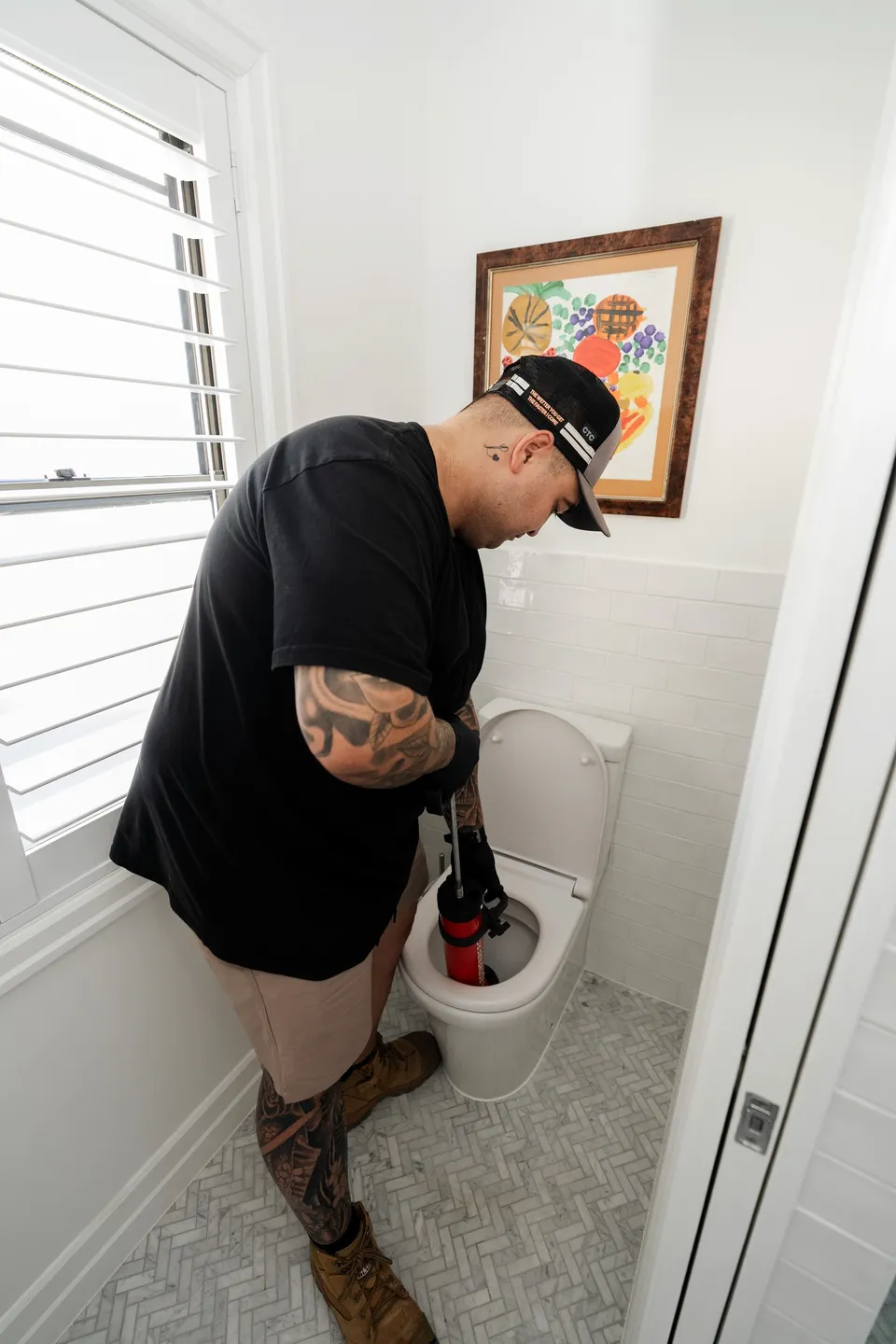
Roof-harvested rainwater can flush toilets, supply the cold water laundry tap and water the garden, because these uses generally present a low risk of disease. Drinking, personal hygiene and food preparation are different. Tank water is only for those where town water isn't available, since town water is the safest and most reliable supply for them.
That's the honest version of the split:
toilets and cisterns
, the biggest single use in most houses
the laundry cold tap
, which washes clothes without drinking-quality water
gardens and lawns
, where a low-risk supply is all the plants need
If you want better water at the kitchen sink, that's a town-supply job: our water filter installation work covers it, and we don't pretend a rainwater tank is a drinking-water system.
First Flush, Screens and Tank Upkeep
Check and clean the first flush device every 3 months, check the screens, flap valves, roof and animal access every 6 months, and check for sediment every two to three years. A tank that's not kept mosquito-proof can draw a fine worth as much as 3 penalty units, so the screens aren't optional.
The routine, in order:
every 3 months
open and clear out the diverter, and give it another clean after rain
every 6 months
check the tank, the screens and the flap valves for rips and holes, clear leaf build-up off the roof, and close off any access birds or insects have found
sediment
a two-to-three-yearly look inside the tank, then siphon the sludge out or empty the tank if it covers the bottom
We set all of that out at the visit so you know exactly what you're signing up for. One thing worth watching on older homes: a tank that tops itself up automatically from town water can hide a faulty solenoid. A slow leak on the town side of the tank is a job for our leak detection work, not a bill you'll spot on your own.
Why Tanks Suit This Suburb
The blocks here tilt. Streets fall away from the ridgeline, so a tank on the high side of a yard often feeds the fixtures below it with gravity alone. Storm-season downpours charge down these slopes and fill a tank fast.
The housing stock is mostly detached weatherboard, postwar more than prewar, so a tank usually goes onto an existing water pipe system rather than a fresh build. We tie into old supply lines carefully, check the stop taps along the way, and make sure the switchover between tank and town supply is clean.
How We Connect a Tank
- 1

Tell us what's happening
Call (07) 3524 7163 or send the form with a few details about the problem in Bardon. A clear description helps us bring the right parts.
- 2
We scope the tank and the fixtures
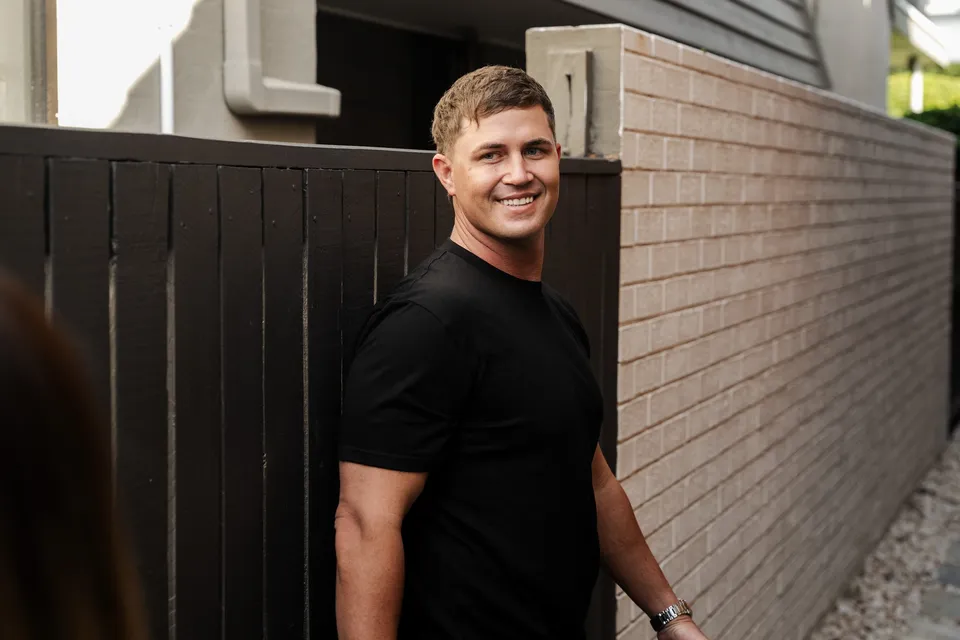
We look at where the tank sits, which fixtures you want on tank water and how the supply lines run. Then we mark out the first flush, the screens and the switchover valves before any pipe is cut.
- 3

Approve a fixed price
You get a fixed quote before any work starts, with flat-rate pricing and no hidden fees. Nothing goes ahead until you say yes.
- 4
Pay when it's finished
Pay by card or EFTPOS on site once the job's done, or ask about Fix now, pay later.
Plumbing job in Bardon?
$0 call-out fees, available 24/7, and same-day where we can.
Rainwater Tank Questions Owners Ask
Call (07) 3524 7163What council approvals does a rainwater tank need in Bardon?
It depends on where the tank sits, how big it is and where on the block it goes. For a Brisbane home, planning, plumbing and building approval can all apply, and the Bushfire overlay code may too. Contact the council before you install anything, and we sort the plumbing side.
What can I use rainwater from a tank for?
Flushing toilets, the cold tap on the laundry tub and watering gardens and lawns all suit untreated rainwater off the roof, because the disease risk from those uses is low. Drinking, personal hygiene and food preparation are only for homes where town water is not available.
What does a first flush diverter do on a rainwater tank?
A first flush diverter stops the first flow of water off the roof from entering the tank, so debris washed down does not reach the tank water. The council here advises fitting one, and we fit them as standard on tank connections in Bardon.
How often does a rainwater tank need checking?
Check and clean the first flush device every 3 months, and rinse the diverter out again after rain. Every 6 months, inspect the tank, the mosquito screens and the flap valves, clear leaf debris off the roof and close any gaps animals have found. Sediment inside the tank gets a look every 2 to 3 years.
Does my tank need mosquito screens?
Yes, every opening of a new tank, overflows included, needs a mosquito-proof screen or flap valve. For a Brisbane home that means openings under one millimetre, in stainless steel or aluminium, secure but removable for cleaning. A tank that is not kept mosquito-proof can draw an on-the-spot fine of up to 3 penalty units.

Call Us About Your TankWe'll call you back.
Ring (07) 3524 7163 and tell us what's wrong. You get $0 call-out fees, a fixed quote before any work starts and same-day where we can, 7 days a week.
To claim your $0 call-out fee, call (07) 3524 7163 today.