Plumber in The Gap
A search for plumber The Gap turns up Local Bardon Plumbing, because we work across Bardon and the suburbs around it, and every job here is done by a licensed plumber. At the last census the suburb counted 5,438 separate houses among 5,914 dwellings, almost all of them detached family homes. We look after the taps, pipes, gas and drains in those houses, from Waterworks Road up to the bush blocks along Mount Nebo Road.
If we're late, $100 comes off your bill

- Licensed and InsuredEvery job done by a licensed plumber. QBCC No: 15024607
- Fixed Quote FirstFlat-rate pricing, agreed before any work starts
- Lifetime Labour WarrantyBacked by our Fix-It-or-It's-Free guarantee (T&Cs apply)
- $0 Call-Out FeesNo extra charge for nights, weekends or public holidays
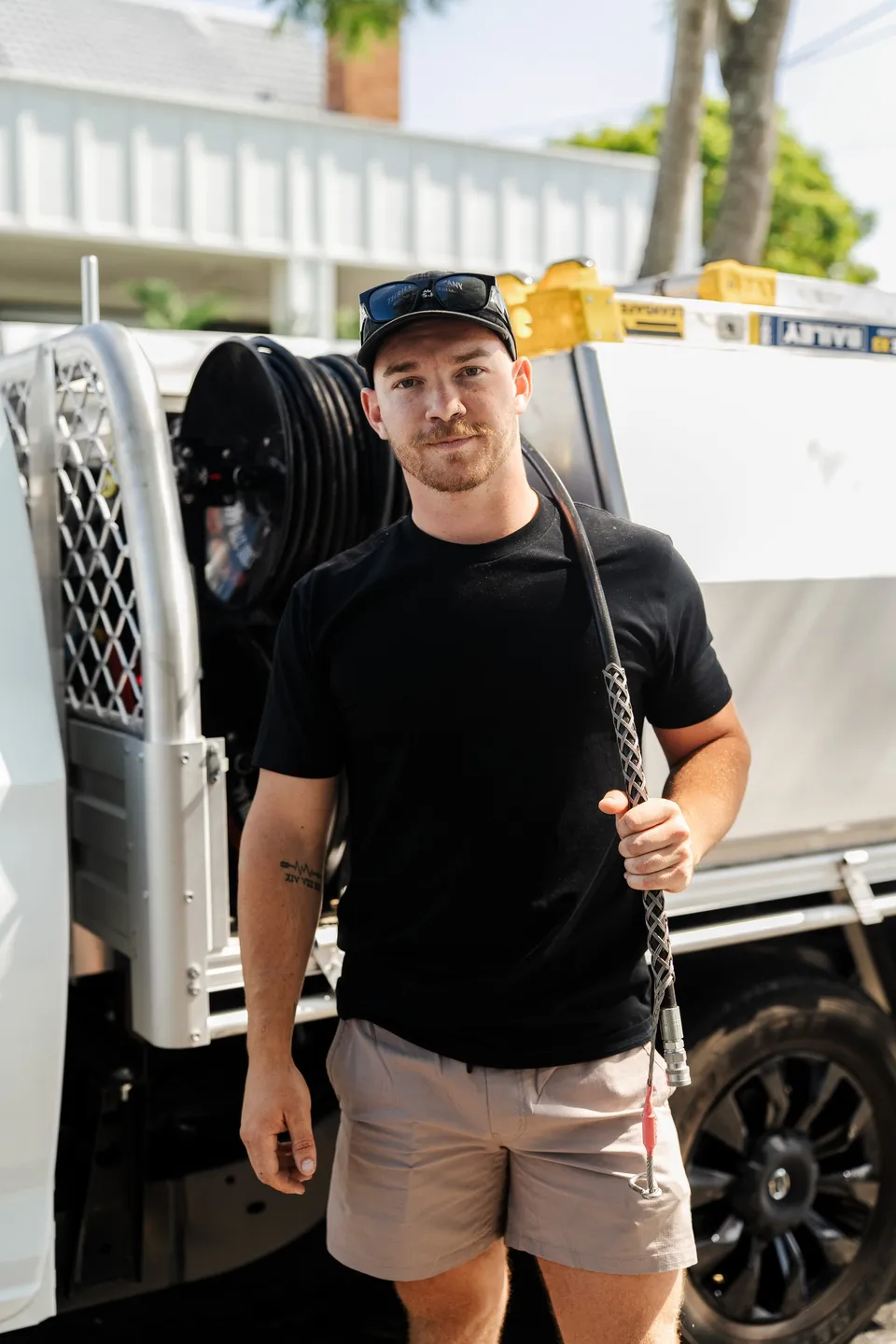
Faults That Match the Era of the House
Three eras built this suburb: fibro and weatherboard houses from the 1940s to the 1960s, brick veneer through the 1960s to the 1980s, and newer builds after that.
Each era installed its own pipe materials, so the likely fault depends on the decade and on whether the original plumbing has been replaced.
The 1950s and 1960s building boom ran ahead of Brisbane's sewerage backlog, so plenty of early houses began on septic tanks. An old tank can still lie buried in a yard, and a landscaping dig or pool excavation is usually what brings it up.
Lead-based solder was the norm on brass and copper joints until 1989, so a water service installed before then is worth having checked.
The postwar streets have been through several tanks already, and the solar collectors common on roofs here are old enough to weep and stick. Our hot water plumbing work has a page of its own for the tank side.
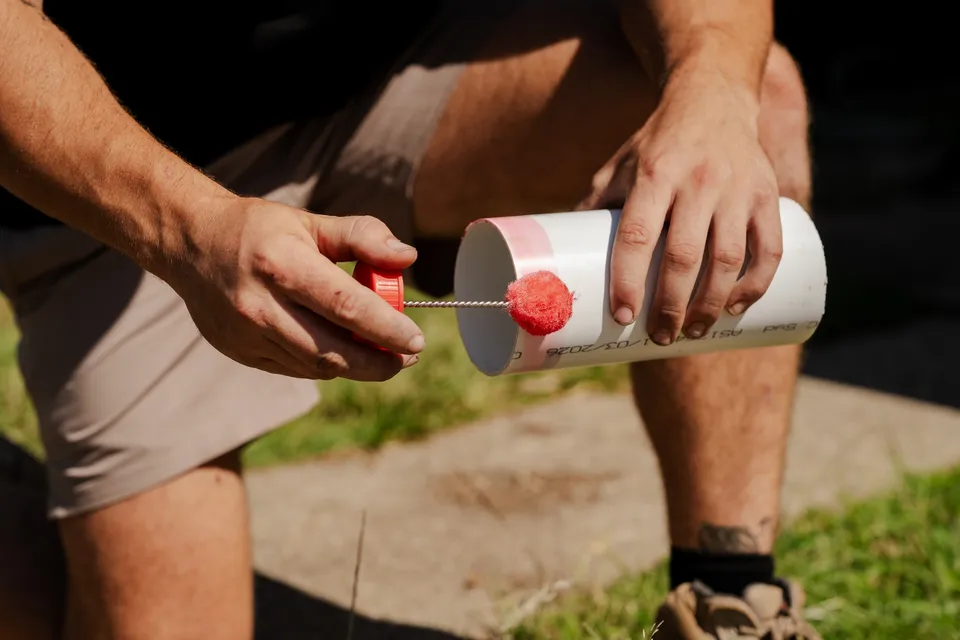
Soil, Ground Movement and Storm Exposure
Rock and shale on the slopes, alluvial soil on the valley floor and hot stormy summers set the conditions, and moving ground puts strain on pipe joints and footings.
Streets climb granite and phyllite hillside country, so ground on a slope shifts between wet and dry spells and works at those joints season after season.
Roof and driveway water gathers speed down the valley walls and cuts through bedding and batters, which is where stormwater trouble usually starts.
Storm season does its own damage. After a flood, two rules apply: smelling gas means calling 000, and a meter, regulator or cylinder damaged by water is one for the gas supplier.
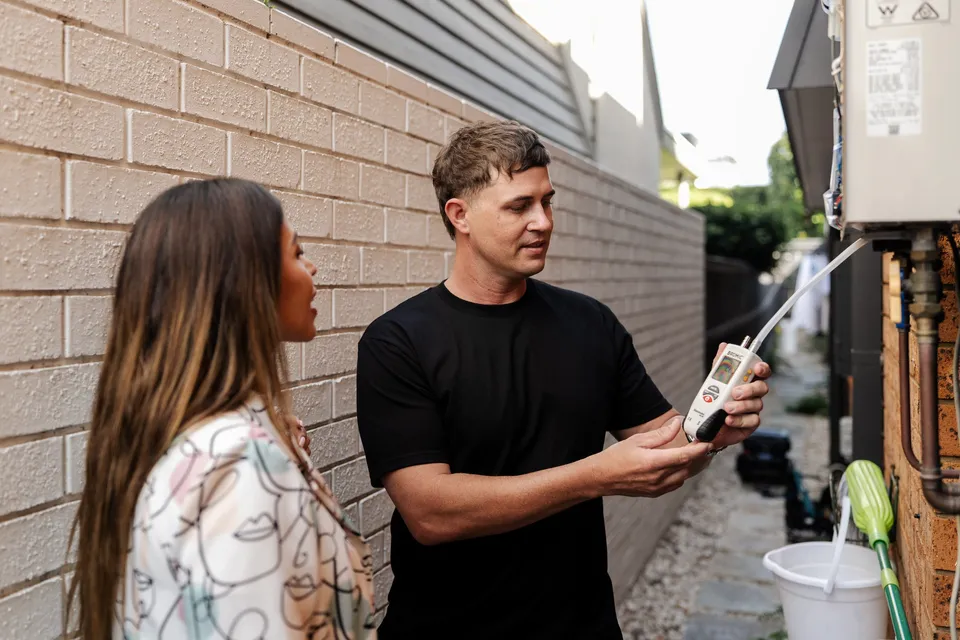
Stop Taps, Meters and Pipe Ownership
Urban Utilities looks after the meter, the street main and the sewer; every pipe and fitting past the meter belongs to you.
Your meter sits in a shallow pit flush with the ground, on the road side of your front boundary.
Pressure comes from the network, not the suburb. The utility supplies a minimum of 210 kPa at the meter and designs the system to top out at 550 kPa, though some streets run higher.
A stop tap next to the meter shuts by turning clockwise, and closing it stops supply to the entire property.
The utility also swaps old meters over time at no cost to the owner, unless you have altered yours or built over the access.
Leaks, Taps, Toilets and Pipes We Repair
Sloping blocks, ageing supply lines and mostly owner-occupied family houses shape the jobs we do most here, and our plumbers cover Bardon, The Gap and every suburb around them.
The four that come up most:
Water pipe repairs
joints on sloping ground take the strain, and supply lines in the older streets show their age.
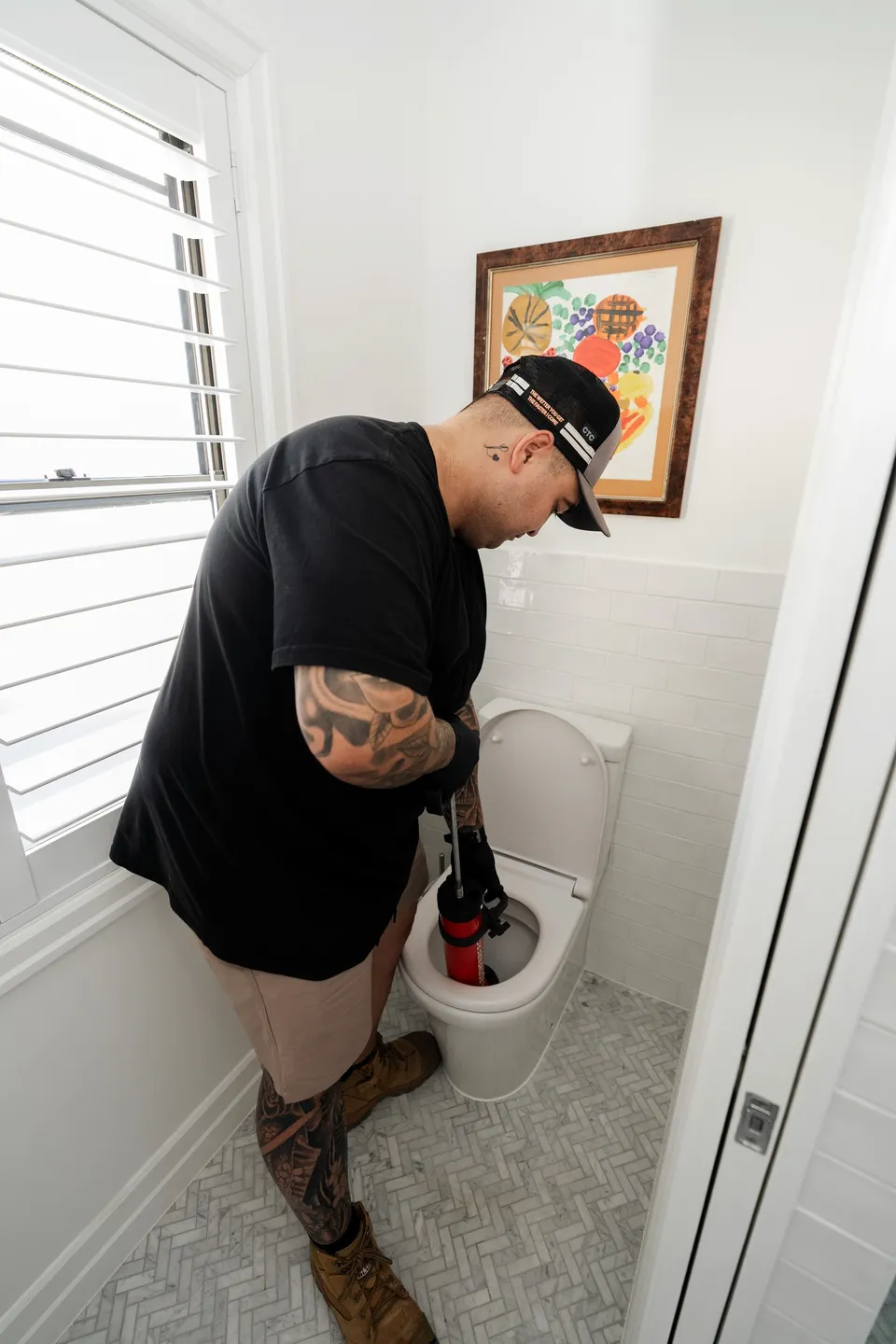
Tap and toilet repairs
family houses wear through washers and cistern valves, and owner-occupiers get drips fixed before they grow.
Leak detection
water escaping under a sloping yard or a raised timber floor can run quietly for weeks.
Gas fitting
cooktop swaps and heater bayonet points, all work for a licensed gasfitter.
Storms bring the urgent calls, and our emergency plumber work covers burst services and flooded laundries. Every suburb on the run is listed on the Suburbs We Cover Near Bardon page.
Questions The Gap Locals Ask
Call (07) 3524 7163What plumbing problems come up most for The Gap houses?
Winter sorts out the older streets, because tired tanks fail on the first cold night and ageing solar collectors weep at the headers. Add buried septic tanks from the pre-sewer years, storm damage to pipework and drains that block where roots get in, and that is the usual list.
Should older houses get their pipes checked?
Yes, because pipes show the decade their street went up. Lead solder on brass and copper was common until 1989, so a pre-1989 water service deserves a check.
Is water pressure in The Gap any different?
No, the network sets it rather than the suburb: at least 210 kPa arrives at the meter, the design ceiling is 550 kPa, and a few streets sit above that. A plumber measures the real figure at the tap.
Do The Gap units and townhouses share their pipes?
Yes, in a community titles scheme the body corporate usually maintains the pipes that serve common property, while anything serving only one lot falls to the owner. Census figures put the suburb's townhouses and semi-detached homes at 406, so the split comes up often.

Ring Local Bardon PlumbingWe'll call you back.
Ring (07) 3524 7163 and tell us what's wrong. You get $0 call-out fees, a fixed quote before any work starts and same-day where we can, 7 days a week.
To claim your $0 call-out fee, call (07) 3524 7163 today.